
You’re probably here because you want to seal food the right way. Maybe you buy meat in bulk, or you want to cook sous vide, or you just hate freezer burn. You searched for the best chamber vacuum sealer, and now you’re staring at a page full of similar-looking machines. That’s a normal place to be stuck.
Chamber sealers are hard to pick between for two reasons. The first is chamber size, since it decides how big a bag you can use and how much room you have for liquids. The second is the pump and seal design, which decides how well the machine handles wet food and how often you’ll be waiting on it. This guide looks at the seven candidates through what their listings actually say and settles on the picks that fit different buyers.
All 7 products side by side — scroll sideways to see every column.
| Top Pick | Best for Liquid Foods | Best for Freezer Storage | Best for Sous Vide | Best for WiFi Control | Best for Home Ice | Best for Commercial Ice | |
| Preview |  |  |  |  |  | 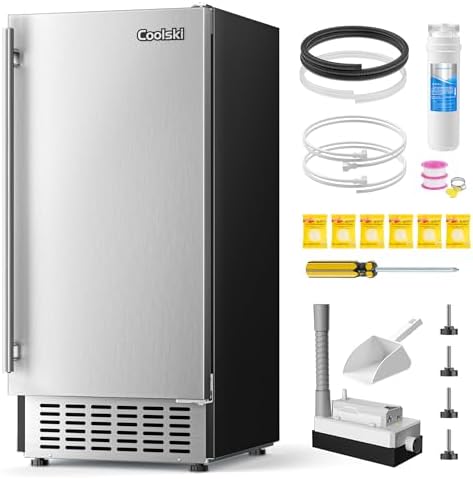 |  |
|---|---|---|---|---|---|---|---|
| Product | Vacmaster VP215 Chamber Vacuum Sealer | Vacmaster VP120 Chamber Vacuum Sealer | FoodSaver Pulse Marinate Sealer Bags | Anova Culinary Vacuum Sealer | Inkbird ISV-100W Sous Vide Cooker | Coolski Counter Ice Maker Machine | Shyneer ZK-110Commercial Ice Maker Machine |
| Brand | Vacmaster | Vacmaster | FoodSaver | Anova Culinary | Inkbird | Coolski | Shyneer |
| Best for | Top Pick | Best for Liquid Foods | Best for Freezer Storage | Best for Sous Vide | Best for WiFi Control | Best for Home Ice | Best for Commercial Ice |
| The listing says | One-touch controls for vacuum and sealing Compact design for home and business use | Chamber style for packaging liquid-rich foods Maintenance-free vacuum pump | Keeps freezer food fresh up to 5x longer Sous vide, pulse, marinate, moist and dry settings | Airtight seal keeps food submerged during sous vide Suits chicken, fish, vegetables, eggs, beef, lamb and pork | WiFi and app control via 2.4GHz network 1000W heater for up to 15 liters of water | Produces 100 lb of ice daily, stores 30 lb Three selectable cube sizes | Stainless steel build for long service life Stores 24 lb; makes 0.9" cubes |
| More information | Buy on Amazon | Buy on Amazon | Buy on Amazon | Buy on Amazon | Buy on Amazon | Buy on Amazon | Buy on Amazon |
1. Vacmaster VP215 Chamber Vacuum Sealer
Right for: Home cooks who want commercial-style sealing with room for wide bags.
The listing promises a 10.25-inch seal bar that takes bags up to 10 by 13 inches. That’s a useful size for larger cuts, whole portions, or bulk batches you want to freeze flat. The listing also says it’s built for prolonged, continuous use and uses a heavy-duty 1/5 HP oil pump, which suggests it’s meant to keep running through a big session.
On an ordinary day, that means you can fill a chamber with several portions, seal them in one go, and move on. The listing says the chamber handles soups, sauces and marinades, so you can seal liquid-rich food without the bag turning into a mess. It also lists support for 3 to 7 mil bags, which gives you room to choose thicker bags for long storage.
What works:
- Takes bags up to 10 by 13 inches
- Heavy-duty 1/5 HP oil pump
- Handles soups, sauces and marinades
- Supports 3 to 7 mil bags
- One-touch controls with a pressure indicator
Where it gives ground:
- Weighs 84 pounds, so it stays where you put it
- Takes up 14 by 20 inches of counter space
Skip it if: You have a small kitchen and only seal a few small bags a week.
2. Vacmaster VP120 Chamber Vacuum Sealer
The listing says the VP120 has a maintenance-free vacuum pump and an automatic lid, which means less fussing between sessions. It’s designed for liquid-rich foods, so soups and stews are the obvious use. The listing also says the machine offers automatic programming options, which can take some guesswork out of setting it up.
Why does a maintenance-free pump matter here? Chamber sealers run a pump every time you seal, and a pump that needs no oil changes or routine servicing is one less thing to track. For someone who seals a batch of stock once a week, that difference is the whole point of the machine.
On an ordinary day, you’d load the chamber, pick a program, and let the lid do its part. The chamber is designed for soups, stews and other liquid-rich foods.
The chamber measures 11.75 by 11.5 by 4 inches, with an 11.5-inch seal bar, a more compact footprint than the VP215.
Measure your usual bags against the listed chamber dimensions of 11.75 by 11.5 by 4 inches before you buy.
What works:
- Maintenance-free vacuum pump
- Automatic lid
- Automatic programming options
- Designed for soups, stews and liquid-rich foods
Where it gives ground:
- Chamber is 4 inches deep, which limits how thick a load can be
Skip it if: You need to seal thick cuts of meat or large bulk bags.
3. FoodSaver Vacuum Sealer Machine with 4 Settings Including Pulse
Right for: Households that want a flexible, everyday sealer with a roll cutter.
This is a different kind of machine from the chamber models. The pulse setting is meant for delicate foods like baked goods, so they don’t get crushed.
The dry and moist settings matter because the listing says they’re there to make sure an airtight seal is achieved regardless of what you’re sealing. In practice, that means you pick the setting that matches the food rather than trying to force one setting to handle everything.
On an ordinary day, the built-in roll cutter means you can make custom-size bags as you go. The listing notes a time-saving feature here: the machine cuts your next bag while you’re sealing the one before it, so you spend less time waiting between bags. The alignment tool and angled opening help you place the bag correctly each time, which cuts down on wasted bags.
The LED light tells you when the seal is done, so you don’t have to guess. The listing includes a starter set of bags in four sizes, including 14 by 11, 11 by 8, 9 by 8 and 11 by 11 inches.
What works:
- Pulse, marinate, moist, dry and sous vide settings
- Built-in roll cutter for custom bag sizes
- LED light shows when sealing is complete
- Starter set of bags in four sizes
- Removable drip tray
Where it gives ground:
- The listing describes a different style of sealer than a true chamber model
- Bag capacity is limited to the bags and roll you buy
Skip it if: You want a true chamber sealer for liquids or large portions.
4. Anova Culinary Vacuum Sealer
Right for: Sous vide cooks who want a compact sealer that pairs with their cooker.
The listing says this sealer is compact and made to work with Anova precision cookers or any other sous vide circulator. It ships with 10 pre-cut bags, so you can start cooking at once. It also has separate air pulse and seal functions, which the listing says gives you more control over the seal.
On an ordinary day, you’d season your food, slide the open end of the bag into the sealer, and cook once it’s sealed. The listing emphasizes that a good seal keeps food fully submerged during long cooks, which matters for sous vide.
Separate air pulse and seal functions are included for convenience.
Compactness also counts for a kitchen with limited counter space. The listing describes the sealer as slim, so it can stay out on the counter next to your cooker without taking over the workspace.
What works:
- Compact design
- Ships with 10 pre-cut bags
- Separate air pulse and seal functions
- Built to pair with sous vide cookers
- Wet and dry sealing for food
Where it gives ground:
- The listing describes a handheld style rather than a chamber sealer
- The listing mentions a 2-year warranty in its title, but the bullets are inconsistent on the warranty details
Skip it if: You need to seal large portions or a lot of liquid in one go.
5. NKBIRD WIFI Sous Vide Cooker ISV-100W
Right for: Sous vide fans who want Wi-Fi control and quiet overnight cooking.
This is a sous vide cooker, not a sealer. It’s included here because the listing covers the cooking side that most sealer buyers end up needing. The listing says it heats up to 1000 watts, holds temperature for up to 15 liters of water, and runs at less than 40 dB. That quiet operation means you can cook overnight without it disturbing the house.
On an ordinary day, you’d connect it to your 2.4 GHz Wi-Fi, set the temperature and timer in the app, and check on it from another room. The listing gives a range of 77 to 210 degrees Fahrenheit, with a calibration option to adjust the reading.
What works:
- 1000-watt heater
- Wi-Fi and app control
- Operates below 40 dB
- Temperature range of 77 to 210°F
- Calibration function
- Timer up to 99 hours
Where it gives ground:
- It’s a cooker, so you still need a separate sealer for bags
Skip it if: You only want a sealer and have no interest in sous vide cooking.
6. Coolski Commercial Under Counter Ice Maker Machine
Right for: Home bartenders and entertainers who need a lot of ice in a narrow space.
This is an ice maker, not a vacuum sealer, and it’s listed here only because the title matched a search. The listing says it makes 100 pounds of ice per day and stores 30 pounds. It measures 15 inches wide, which fits narrow spaces, and offers three cube sizes.
The width matters most when you’re deciding where it can go. The listing describes it as a slim design for tight spots, so it can sit beside a fridge or in a gap that a wider unit wouldn’t fit. The three cube sizes let you pick what you’re making. Larger cubes suit a cocktail, while smaller ones may suit a cooler or a crowd. The listing says the housing is built to keep cubes from melting quickly, which helps when ice is stored between uses.
On an ordinary day, you’d fill a bowl for guests or grab cubes straight from the freezer. The listing says it needs a water line and a drain, and it must sit upright for 24 hours before use. Plan that wait in before you need the ice, not after you’ve plugged it in.
Drainage is the part to settle first. The listing offers a gravity drain or a condensate removal pump, and which one you use depends on where you install it. The pump can lift water up to 6.6 feet, so it helps when the drain sits above the floor. Check your spot before you buy.
What works:
- Produces 100 pounds of ice per day
- Stores 30 pounds
- Slim 15-inch width
- Three cube sizes
- LCD control panel
Where it gives ground:
- The listing calls for a water supply line and a floor drain
- It must be cleaned at least once every six months
Skip it if: You need a vacuum sealer. This machine doesn’t seal food.
7. Shyneer ZK-110 Commercial Ice Maker Machine
Right for: Small bars or cafés that need steady ice output in a fixed spot.
Like the Coolski, this is an ice maker, not a sealer. The listing says it makes 110 pounds of ice in 24 hours with an 11 to 18 minute cycle, and stores 24 pounds. It’s stainless steel and includes a scheduled start and stop function. The listing also mentions a cleaning feature that takes care of upkeep in a single step.
On an ordinary day, you’d set the reservation function so it runs on your schedule and cleans itself automatically. The listing also says it works for homes, restaurants and bars.
The gap between output and storage matters in practice. A machine that makes 110 pounds a day but holds only 24 pounds at a time will keep producing as you draw ice down, so the real question is whether your busiest hour pulls faster than the cycle refills. A bar that serves steadily through the evening will feel that difference more than one that sees a rush followed by long quiet stretches.
What works:
- Makes 110 pounds of ice per day
- Stores 24 pounds of ice
- Scheduled start and stop
- Simple cleaning
- Stainless steel build
Where it gives ground:
- Storage capacity is smaller than the output figure suggests
Before you buy, check with the seller or the manual for how the unit drains and what water line it needs, since a fixed spot depends on both.
This machine doesn’t seal food.
How to Think Before You Choose
Chamber size versus bag size
A bigger chamber lets you seal more food at once, but it also takes more counter space and needs more room to store. Most people should lean toward the size of the biggest bag they actually use. If you mostly seal single portions, a smaller chamber works fine. If you buy meat in bulk, a larger chamber saves time over the long run.
Check this at home before you decide. Measure your counter and your most common bag. If the bag won’t lie flat in the chamber, the machine is too small for your needs.
Oil pump versus maintenance-free pump
An oil pump usually runs longer on heavy use, and the listing for the VP215 says it’s built for continuous operation. A maintenance-free pump asks less from you between sessions, which suits people who seal a few times a week. Think about how often you’ll run the machine and how much upkeep you’re willing to do.
Check the manual or listing for the pump type before you buy. If you plan to seal many times a week, favor the pump that suits steady use.
Chamber sealer versus handheld sealer
A chamber sealer handles liquids and large loads better, because the whole bag sits inside the chamber and the vacuum pulls evenly. A handheld sealer is quicker for small jobs and takes less space. If you cook soups or marinate often, a chamber is the better choice. If you mainly seal dry snacks and small portions, a handheld is enough.
Test this at home. Count how many liquid-rich meals you seal in a typical month. If the number is high, the chamber model earns its space.
Who Should Skip These Altogether
Someone who only seals a few bags a year can likely use a zip bag and the freezer for now. A zip bag with most of the air pressed out will still protect food from the worst freezer burn for short storage, so a machine may not earn its place on a counter that’s already tight on room.
Someone who already owns a sealer that works well can skip the upgrade unless a specific feature is missing. Check the bag size and seal bar length you actually use before comparing models, because a sealer that handles your usual bags will do the job even if a newer unit has more settings.
Someone who needs a sealer for industrial volumes should look at commercial equipment built for that scale. The machines in this list are designed for home and light business use, so a high-volume kitchen should compare heavier-duty units rated for continuous operation.
Frequently Asked Questions
Can a chamber vacuum sealer handle liquids?
Yes, and that’s one of the main reasons people buy one. The VP215 and VP120 listings both say they’re designed for soups, sauces, marinades and other liquid-rich foods. A chamber pulls the vacuum evenly across the whole bag, so liquid is less likely to get sucked into the machine. Pre-freeze very wet foods when you can, and leave a little space at the top of the bag before sealing. Check the manual for any limit on how much liquid to load.
What bag size do I need?
Measure the largest piece of food you usually seal, then add a few inches on each side for the seal. The VP215 takes bags up to 10 by 13 inches, which suits bulk cuts and larger portions. The VP120 has an 11.5-inch seal bar, which means a smaller maximum bag. Buy bags that fit your chamber, and keep a few sizes on hand so you aren’t forced to cut oversized bags.
Do I need a sous vide cooker if I have a sealer?
No, but the two work well together. A sealer lets you pack food for sous vide, and a cooker holds water at the exact temperature you choose. The Inkbird ISV-100W is listed here as a companion cooker, not a sealer. If you only want to freeze and store food, you can skip the cooker entirely.
How do I keep a sealer running well?
Keep the chamber and seal bar clean, and let the machine cool between long sessions. The listing for the VP120 calls its pump maintenance-free, but you should still wipe down the chamber after each use. For the VP215, check the oil pump and follow the manual’s schedule for any oil checks. Inspect the seal bar for buildup, and replace worn gaskets if the seal starts to fail.
Are these machines safe to use at home?
The FoodSaver listing says its appliances carry ETL or UL certification, which means they were tested against recognized safety standards. Look for that same mark on any sealer you buy. Keep the machine on a dry, stable surface away from water, and unplug it before cleaning. Read the manual before the first use, and follow the listed voltage requirements for your outlet.
Closing
For most buyers, the Vacmaster VP215 is the best fit, because its wide bag size and heavy-duty pump suit regular bulk sealing and liquids. The VP215 accepts bags up to 10 by 13 inches and runs on a 1/5 HP oil pump, which is built for long, repeated sessions rather than occasional use.
For the harder case, a smaller home kitchen or a lighter schedule, the Vacmaster VP120 gives you a compact chamber with low upkeep. Its maintenance-free pump means there’s no oil to check or change, which matters if you seal only now and then and don’t want to think about servicing the machine.
Next, measure your counter space and your most common bag size, then match those numbers to the chamber that fits. Compare the overall dimensions listed for each model against the open space where the sealer will sit, and allow room for the lid to open. Then check that your typical bag fits inside the chamber, not just the seal bar, since the bag has to lie flat before the lid closes.
